What is Hi-Fi Audio? Understanding High Fidelity Sound
In a world saturated with digital sound, from smartphone speakers to compressed streaming, the pursuit of truly exceptional audio quality has become a passion for many. This pursuit leads us to the realm of **high fidelity audio systems**, commonly known as Hi-Fi. But what exactly does "Hi-Fi" mean, and what distinguishes it from everyday sound? At its core, high fidelity is about the accurate and realistic reproduction of sound, aiming to bring the listener as close as possible to the original live performance or studio recording. It’s an immersive experience, designed to reveal every nuance, emotion, and detail the artist intended.
What Defines High Fidelity Sound?
For audio to earn the "Hi-Fi" designation, it must meet stringent quality standards that prioritize faithfulness to the original source. This is in stark contrast to the lower-quality "lo-fi" sound, which might come from inexpensive equipment, heavily compressed files, or older, less precise recording methods. A true **high fidelity audio system** strives for several key characteristics:
- Accuracy and Realism: The paramount goal is to reproduce sound that is as true to the original performance as possible. This means instruments sound like instruments, voices sound natural, and the spatial arrangement of the recording is preserved.
- Minimal Noise and Distortion: Hi-Fi aims for a clean signal, free from unwanted hiss, hum, crackle, or any other sonic imperfections that detract from the music. The ideal is "inaudible" noise and distortion.
- Flat Frequency Response: A high-fidelity system should reproduce all audible frequencies (from deep bass to sparkling highs) at their correct relative levels, without artificially boosting or cutting certain ranges. This ensures a neutral, uncolored sound that doesn't add its own "flavor" to the music.
- Wide Dynamic Range: The ability to accurately reproduce both the softest whispers and the loudest crescendos without compression or loss of detail is crucial. This preserves the emotional impact and energy of the music.
Understanding the difference between these ideals and everyday audio can be a revelation. To dive deeper into how this contrasts with lower quality sound, you can explore
Hi-Fi vs. Lo-Fi: Experience the Difference in Audio Quality.
The Foundation of Hi-Fi: Source Material and Digital Resolution
While a top-tier playback system is essential, the journey to high fidelity begins with the source material itself. No matter how sophisticated your equipment, it can only reproduce the quality it's given.
Analog vs. Digital Audio
Historically, high fidelity was achieved with analog formats like meticulously recorded vinyl records and reel-to-reel tapes. Many audiophiles still cherish the "warmth" and unique sonic character that can come from the subtle imperfections and harmonic distortions inherent in analog systems. However, modern advancements have positioned
digital audio at the forefront of cleanliness and accuracy. Digital recordings inherently offer a superior signal-to-noise ratio, allowing for much purer captures of sound.
Understanding Digital Audio Quality: Sample Rate and Bit Depth
When artists and engineers record albums digitally, two primary technical specifications determine the audio quality of the master recording:
- Sample Rate: This refers to how many "snapshots" or samples of the audio waveform are taken per second to create the digital signal. The higher the sample rate, the more audio information is captured, resulting in a more detailed and accurate representation of the original sound wave. For example, CD quality uses 44.1 kilohertz (kHz), meaning 44,100 samples are taken every second. High-resolution audio can use much higher rates like 96 kHz, 192 kHz, or even 384 kHz.
- Bit Depth: This specifies the number of amplitude levels captured in each individual sample. Think of it as the granularity or dynamic range of each snapshot. A higher bit depth allows for a finer, more detailed capture of the sound's volume variations. CD audio, for instance, is 16-bit, offering 65,536 possible amplitude values per sample. Professional and high-resolution recordings often use 24-bit or even 32-bit, providing significantly more detail and dynamic nuance.
The combination of high sample rates and bit depths leads to digital audio files that capture the original performance with incredible fidelity, though they also result in much larger file sizes. For a deeper dive into these crucial concepts, read
Sample Rate & Bit Depth: The Core of High Fidelity Audio. Today, streaming services are increasingly offering "hi-res" or "lossless" audio options, making high-quality digital music more accessible than ever.
Components of a High Fidelity Audio System
A true **high fidelity audio system** is a carefully curated chain of components, each playing a vital role in transforming raw audio data into breathtaking sound. The synergy between these components is paramount; a weak link can compromise the entire experience.
- The Source Component: This is where your music originates. It could be a turntable for vinyl, a CD player, a dedicated music streamer accessing digital files or streaming services, or a digital audio player (DAP). The quality of the source directly impacts the information fed downstream.
- Digital-to-Analog Converter (DAC): For any digital source, a DAC is indispensable. Its job is to accurately convert the digital data (the bits and samples) back into an analog electrical signal that your ears can understand. DACs can be standalone units, or integrated into streamers, amplifiers, or even some active speakers. A high-quality DAC is crucial for preserving the nuances of digital audio.
- The Amplifier: The analog signal from the DAC is very weak and needs to be boosted significantly to drive speakers. This is the job of the amplifier. Amplifiers are typically available as integrated units (combining a pre-amplifier for signal control with a power amplifier for boosting) or as separate pre-amp and power amp components for greater flexibility and power. A good amplifier delivers clean, undistorted power, maintaining dynamic range and clarity.
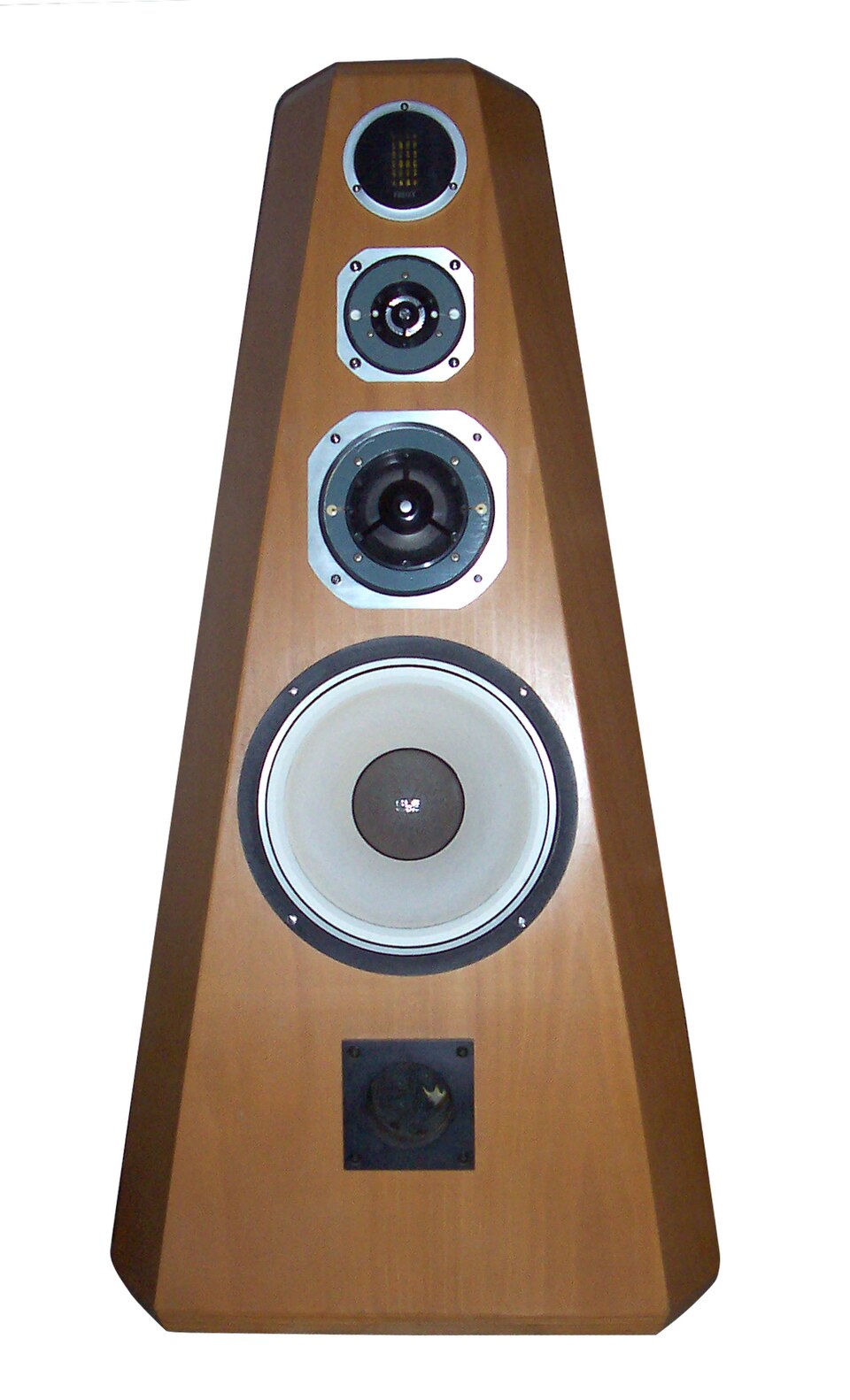
- Speakers: The final stage in the chain, speakers are transducers that convert the amplified electrical signal into audible sound waves. They are arguably the most impactful component on the overall sound signature of your system. Speakers come in various types – bookshelf, floorstanding, electrostatic, planar magnetic – each with distinct characteristics. Matching speakers to your room size and amplifier's power is essential for optimal performance.
- Cables and Interconnects: Often overlooked, quality cables are important for maintaining signal integrity between components. While debates rage about their sonic impact, well-made cables ensure minimal signal loss and interference.
Building Your Own High Fidelity System: Tips for Audiophiles and Enthusiasts
Embarking on the journey of building a **high fidelity audio system** can be incredibly rewarding. Here are some practical tips to guide you:
- Define Your Budget: Hi-Fi can range from surprisingly affordable entry-level setups to astronomically expensive audiophile dream systems. Set a realistic budget and stick to it.
- Prioritize Components: Many experts suggest allocating a significant portion of your budget to speakers, as they have the biggest impact on the final sound. The source component (e.g., DAC, streamer) is often next in importance, followed by the amplifier.
- Consider Your Listening Space: The acoustics of your room play a huge role in how your system sounds. Hard surfaces can cause reflections, while soft furnishings can absorb sound. Experiment with speaker placement and consider basic room treatment if possible.
- Audition Equipment: Don't buy purely based on reviews. Visit local audio shops to listen to different components. Bring your own music to hear how it sounds on various setups. Your ears are the ultimate judge.
- Think About Integration: Modern Hi-Fi solutions range from traditional stacks of separate components to all-in-one streaming amplifiers or powered speakers that simplify setup while still offering excellent quality.
- Start Small, Upgrade Later: You don't need to buy your dream system all at once. Start with solid core components and upgrade them incrementally as your budget and preferences evolve.
- Focus on the Music: Ultimately, the goal of a high fidelity system is to enhance your enjoyment of music. Don't get lost solely in technical specifications; trust your ears and choose what sounds best to you.
Conclusion
High fidelity audio is more than just a collection of expensive electronics; it's a commitment to experiencing music as it was meant to be heard. It's about clarity, detail, and emotional connection, transforming passive listening into an immersive journey. Whether you're a seasoned audiophile or just starting to explore the nuances of premium sound, understanding the principles behind **high fidelity audio systems** is the first step toward unlocking a richer, more profound musical experience in your home. Dive in, listen critically, and rediscover your favorite tracks with astonishing depth and realism.