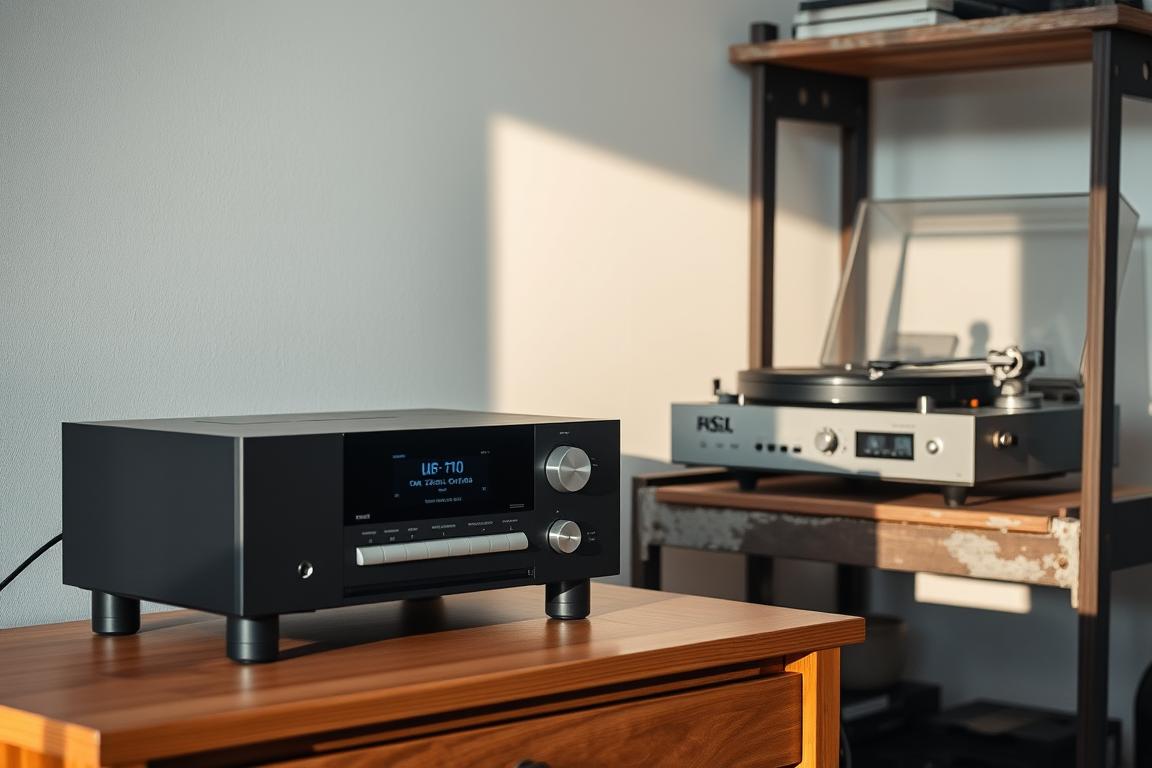
Hi-Fi vs. Lo-Fi: Experience the Difference in Audio Quality
In the vast landscape of sound, two distinct philosophies often emerge when discussing audio quality: Hi-Fi and Lo-Fi. While both aim to deliver an auditory experience, their approaches and results couldn't be more different. One chases perfection, clarity, and an immersive soundstage, while the other embraces imperfection, warmth, and a distinct character. Understanding these differences is key to appreciating the nuances of sound reproduction and choosing the listening experience that best suits your preferences. This article will delve into what defines each, explore the technologies that make them possible, and ultimately help you discern the unique allure of Hi-Fi and Lo-Fi audio.
Unveiling High Fidelity: The Quest for Pristine Sound
At its core,
high fidelity audio systems and the concept of Hi-Fi (short for High Fidelity) represent the pursuit of sound reproduction that is as accurate and true to the original performance as possible. For audiophiles and home audio enthusiasts, Hi-Fi isn't just about hearing music; it's about experiencing it with all the detail, dynamics, and emotional impact the artist intended. Ideally, a high-fidelity setup aims for inaudible noise and distortion, coupled with a flat, or neutral, frequency response across the entire human hearing range. This means the sound should be uncolored, allowing every instrument, vocal, and atmospheric nuance to shine through with absolute clarity.
What makes audio truly Hi-Fi hinges on two critical pillars: the quality of the original recording and the capability of the playback system. Even the most sophisticated
high fidelity audio systems cannot magically improve a poorly recorded track. The music must first be captured in high resolution, preserving the intricate details of the performance. Modern digital audio, with its superior signal-to-noise ratio, offers unprecedented cleanliness in recording compared to the analog methods of the past. While some purists still cherish the "warmth" and subtle imperfections inherent in analog media like vinyl and cassette tapes, digital recording allows for a level of pristine capture previously unattainable. To learn more about this foundational concept, explore
What is Hi-Fi Audio? Understanding High Fidelity Sound.
The Science Behind Superior Sound: Sample Rate and Bit Depth
Achieving true high fidelity goes beyond just "good" equipment; it's deeply rooted in the technical specifications of how audio is recorded and processed. When artists and engineers create digital master recordings, two primary factors determine the quality: sample rate and bit depth. These terms might sound technical, but they are fundamental to how much audio information is captured and subsequently reproduced.
*
Sample Rate: Imagine taking snapshots of a sound wave. The sample rate refers to how many of these snapshots, or samples, are taken per second to create the digital signal. The more samples taken, the more accurately the digital representation can replicate the original analog waveform. CD quality, for instance, uses a sample rate of 44.1 kilohertz (kHz), meaning 44,100 samples are captured every second. Professional studios often record at much higher rates, such as 48 kHz (common for film audio), 88.2 kHz, 96 kHz, 176.4 kHz, or even 192 kHz. While these higher sample rates capture more audio information and offer greater potential for detail, they also result in significantly larger digital audio files.
*
Bit Depth: If the sample rate is about how *frequently* you take snapshots, bit depth is about how much detail is captured *in each snapshot*. It refers to the number of amplitude levels captured in each sample. A 16-bit recording, like that found on a CD, can express 65,536 distinct amplitude values. Stepping up to a 24-bit or even 32-bit recording dramatically increases the number of possible values (over 16 million for 24-bit), allowing for much finer nuances in volume and dynamic range within each sample. This translates to a more lifelike and detailed sound, especially in quiet passages or subtle swells of music.
Most modern audio interfaces and digital audio workstations used in professional and home studios are now capable of capturing audio in these higher resolutions, typically supporting 16, 24, or 32-bit depth and sample rates ranging from 44.1 to 192 kHz. Understanding these concepts is vital to appreciating why some digital files sound dramatically better than others. For a deeper dive into these technical foundations, read our article on
Sample Rate & Bit Depth: The Core of High Fidelity Audio.
Crafting Your Listening Experience: High Fidelity Audio Systems Explained
Once you have high-resolution audio, the next crucial step is ensuring your playback equipment can faithfully reproduce it. This is where
high fidelity audio systems come into play. A typical modern Hi-Fi system consists of several interconnected components, each playing a vital role in the journey of sound from source to your ears:
*
Source: This is where your music originates. It could be a high-resolution streaming service (like TIDAL HiFi or Qobuz), a digital audio player, a CD player, or even a high-quality turntable for analog enthusiasts. The quality of the source material is paramount.
*
Digital-to-Analog Converter (DAC): For any digital audio, a DAC is essential. It converts the digital information (1s and 0s) into an analog electrical signal that your amplifier can understand. A high-quality DAC is critical for preserving the detail captured in high-resolution digital files.
*
Amplifier: This component takes the low-level analog signal from the DAC (or turntable pre-amp) and boosts its power sufficiently to drive your speakers. There are integrated amplifiers (combining pre-amp and power amp) and separate pre-amplifiers and power amplifiers. A good amplifier provides clean power without introducing distortion.
*
Speakers: The final and arguably most impactful component, speakers convert the electrical signal from the amplifier into audible sound waves. High-fidelity speakers are designed to reproduce sound across the frequency spectrum as accurately and neutrally as possible, with minimal coloration or distortion.
*
Cables and Accessories: Often overlooked, high-quality interconnects and speaker cables, along with proper room acoustics, can significantly impact the final sound quality by minimizing signal loss and unwanted resonances.
While some modern Bluetooth speakers may claim "Hi-Fi" capabilities, true
high fidelity audio systems typically involve separate, dedicated components. This allows for superior performance, greater flexibility for upgrades, and often, a stereo configuration (left and right channels) for a more immersive soundstage, though a high-quality mono speaker can still deliver excellent fidelity. The synergy between these components is key; a weak link in the chain can compromise the entire system's performance. Investing in balanced components that complement each other is a practical tip for any budding audiophile.
Embracing Imperfection: The Distinct Charm of Lo-Fi Audio
In stark contrast to the meticulous precision of Hi-Fi, Lo-Fi (short for Low Fidelity) audio intentionally embraces imperfections and limitations in sound reproduction. It doesn't strive for clarity or neutrality but rather for a specific aesthetic, a sense of nostalgia, or a raw, unpolished character. Lo-Fi is often associated with older, inexpensive audio equipment, recordings made on less sophisticated gear (like four-track tape recorders), or the inherent limitations of mediums like AM radio or early phonograph recordings.
The "flaws" that Hi-Fi actively seeks to eliminate – noise, hiss, crackle, limited frequency response, and distortion – are often central to the Lo-Fi experience. Think of the warm, wobbly sound of a cassette tape, the crackle and pop of a vinyl record, or the distant, compressed sound of an old radio broadcast. These elements, which might be considered detrimental to high fidelity, are precisely what give Lo-Fi its unique charm and appeal.
Many artists and listeners are drawn to Lo-Fi for its ability to evoke certain emotions or a particular atmosphere. It can create a sense of intimacy, authenticity, or even dreaminess. For some, it's a nostalgic trip back to simpler times or a deliberate artistic choice to create a "grittier" or more "analog" feel. The limitations inherent in Lo-Fi production can also foster creativity, forcing artists to focus on the essence of their music rather than pristine production values.
Hi-Fi vs. Lo-Fi: Choosing Your Sonic Journey
The fundamental difference between Hi-Fi and Lo-Fi lies not just in technical specifications, but in the desired listening experience.
*
Hi-Fi aims for transparency. It's about hearing every string vibration, every breath, the spaciousness of the recording venue, and the full dynamic range of a performance. When listening to a high-fidelity system, you feel immersed in the music, almost as if the artists are performing live in front of you. It's ideal for critical listening, appreciating intricate compositions, and experiencing music as faithfully as possible.
*
Lo-Fi, on the other hand, prioritizes character and mood over accuracy. It offers a sonic texture that can be warm, fuzzy, intimate, or even melancholic. It's less about dissecting every detail and more about soaking in the overall vibe and aesthetic. Lo-Fi is often preferred for background ambiance, artistic expression, or when a touch of nostalgia or grit is desired.
Ultimately, the choice between Hi-Fi and Lo-Fi is deeply personal and depends on what you seek from your audio. There isn't a universally "better" option, only different experiences. Some audiophiles may dedicate a significant budget to building exquisite
high fidelity audio systems, while others might find solace and inspiration in the raw, unpolished sound of a vintage boombox. The beauty lies in the diversity of sound and the freedom to choose the sonic journey that resonates most with you. Perhaps the best approach is to explore both worlds, appreciating the unique qualities each has to offer.
In the world of audio, both Hi-Fi and Lo-Fi carve out their own valuable niches, appealing to different sensibilities and offering distinct emotional and aesthetic experiences. Whether you're chasing the purity of high fidelity or embracing the charming imperfections of lo-fi, understanding these concepts enriches your appreciation for the art and science of sound.